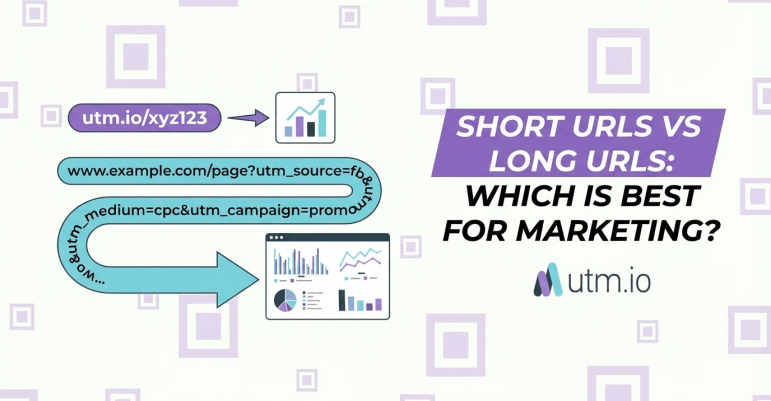
Defining the Link Landscape: Long URL vs Short URL
What Exactly Is a Long URL?
A long URL is the original, full-length web address containing the complete path to a specific page on your website’s domain. These links include folders, subfolders, and various tracking parameters that make them visually cluttered.
You’ve seen them. Those messy strings packed with dynamic characters, numbers, and symbols that look like someone fell asleep on their keyboard. The unnecessary jibberish of a long tracking link can stretch across multiple lines.
Here’s the core structure of any URL:
- Protocol (HTTPS)
- Domain name
- Path/Subfolders
- Query strings/UTM parameters
When you add UTM codes for campaign tracking, that already-long address becomes a monster. Suddenly your neat blog link transforms into something that screams “spam” to anyone who sees it.
Understanding the Short URL
A short URL is a condensed version of a regular web address, typically created through a link shortener. Think of it as a redirect—users click the neat link and arrive at your destination page without seeing the chaos underneath.
Compare these two types of URLs:
- Short:
https://utm.io/xyz - Long:
https://example.com/blog/marketing-strategy-2025?utm_source=twitter&utm_medium=social
Same destination. Completely different visitor experience. The shorter URL looks professional. The longer URL looks like it might steal your credit card information.
 UTM.io link shortener.
The Core Benefits of Short URLs for Marketing
Enhancing User Experience and Engagement
Here’s the thing nobody wants to argue with: shorter links are far easier to read, type, and remember. This simplicity translates directly into higher engagement rates.
When your audience sees a clean link, they feel comfortable clicking it. That improved user experience leads to better brand loyalty and repeat traffic. The link feels accessible rather than intimidating.
The benefits of short URLs for UX include:
- Reduction in “spammy” appearance
- Higher click-through rates due to visual clarity
- Links that are easier to share across platforms
One marketer I spoke with put it perfectly: “Every time I paste a tracking URL into a social post, I cringe. My audience deserves better.”
Boosting Social Media Shareability
Social platforms punish verbose content. Character limits on X/Twitter force tough choices. Mobile screens squeeze everything into tiny spaces. Long URLs simply don’t work in these environments.
Short links reduce clutter in your posts. The focus shifts to your message rather than that sprawling string of code eating up valuable real estate. Research shows users prefer shorter links for sharing because they reduce the risk of broken links during copy-pasting.
Think about it this way. When sharing links on social, every character counts. A shareable link gets engagement. A messy one gets scrolled past.
Branding and Trust: The Role of a Custom Domain
Using a branded domain in your shortened URLs does something powerful. Instead of generic bit.ly links, you display brand.link/sale. Recognition and trust skyrocket.
Branded short URLs offer flexibility too. You can modify or redirect them later if your destination content changes. That’s marketing agility you simply don’t get with static long URLs.
These branded domains help maintain a consistent professional appearance across every digital touchpoint. Your audience learns to recognize your links—and trust them.
SEO and Ranking: Does URL Length Impact Google?
Indirect Ranking Factors: CTR and UX
A short URL on Google Search.
Let’s clear up a common misconception. URL length itself isn’t a direct ranking factor for search engine algorithms. However, it influences SEO through user behavior signals.
Google prefers human-readable structures over complex jargon. When users see clean URLs in search results, they click more often. That improved CTR sends positive signals back to Google.
| URL Type | Impact on CTR | User Perception |
|---|---|---|
| Short URL | High | Professional, Trustworthy if used with branded or well-known domain |
| Long URL | Low | Cluttered, potentially Spammy |
The insight here is clear. While shortening won’t directly help you rank better, the downstream effects on user behavior absolutely influence your position.
Google’s Preference for Canonicalization
During canonicalization, search engines often prefer shorter, cleaner URLs for indexing. When displaying results in search snippets, Google leans toward addresses that communicate page topics efficiently.
A clean link helps crawlers understand your content faster. It works similarly to how post titles and H1 headings communicate relevance. Clarity matters for both humans and algorithms trying to improve search results.
The Evolution of Keyword-Rich Domains (Post-2012)
Remember when marketers stuffed every keyword imaginable into their URLs? Those days ended hard.
Google’s 2012 EMD (Exact Match Domain) update eliminated the practice of giving ranking priority to keyword-heavy domains. The modern consensus according to Google Search Central focuses on meaningful user experience rather than length-based optimization tricks.
Stuffing keywords into your URL won’t boost rankings anymore. It just makes your links harder to read.
When to Use Long URLs: The Descriptive Choice
Context and Information Density
A long and descriptive URL example.
A longer URL provides immediate information about site structure and content paths. For internal navigation where users need hierarchy visibility, descriptive addresses make sense.
Consider breadcrumbs. Users clicking through your site benefit from seeing exactly where they’re headed. That transparency builds confidence.
Longer links can also establish trust when your brand is unknown. If someone has never heard of you, a descriptive URL like local-organic-produce-delivery.com communicates exactly what they’ll find. Sometimes showing more works better than hiding everything.
Security Perceptions and Direct Clicks
Some highly skeptical visitors find short URLs suspicious precisely because they mask the final destination. Where does this actually go? That question kills conversions in sensitive industries.
Full-length URLs let users hover and preview their destination. For financial services, healthcare, or other regulated sectors, this transparency occasionally reduces “click-fear” that shorteners can trigger.
Know your audience. If they’re naturally cautious, the right URL might be the descriptive long one.
Choosing the Right URL for Your Campaign
Use Cases for Short Links (Social, Print, Ads)
Different marketing campaigns demand different approaches. Here’s when short links shine:
Social Media: Essential for aesthetics and character limits. Every platform rewards clean, punchy posts.
Print Marketing: Shorten links for business cards, brochures, and billboards. Someone typing from a physical ad needs something easy to remember and input manually.
Options for shortening URLs on UTM.io.
When Long Links Make Sense (Informational Resources)
Not every situation calls for compression. Academic papers and technical documentation often benefit from showing the full path. Researchers want to know exactly what they’re accessing.
Internal site linking where SEO structural clarity matters also favors complete addresses. Crawlers indexing your site benefit from seeing the logical hierarchy in your URL paths.
Choosing the right format means matching link architecture to channel context.
Technical Limits and Best Practices
Maximum URL Lengths for Browsers and Robots
Maintaining a functional link requires staying within technical boundaries. Push past these limits and you’ll break the visitor experience entirely.
| Constraint Type | Limit/Value | Context |
|---|---|---|
| Browser Address Bar | ~2,048 Characters | Maximum before older browsers struggle |
| Ideal Indexing Length | ~75 Characters | Beyond 75-120 requires strong indexing |
| Google Mueller Suggestion | <1,000 Characters | Personal preference for easier monitoring |
| BigIP Query String | 1,354 Characters | Exceeding breaks functional redirects |
URLs may technically work at extreme lengths, but the best choice for performance stays well under these caps.
Standardizing Your Link Strategy with a URL Shortener
Consistency separates amateur campaigns from professional operations. Follow these UTM best practices to keep everything organized:
- Avoid dynamic URLs, spaces, or symbol-heavy strings
- Use hyphens rather than underscores to separate words
- Implement consistent naming conventions across all campaigns
Many URL shorteners handle these standards automatically. The platform manages complexity so you can focus on strategy rather than formatting headaches.
Tracking and Analytics: Making Data-Driven Decisions
Masking UTM “Jibberish” Without Losing Data
Here’s the major advantage of short URLs vs long URLs in marketing campaigns: you mask the unnecessary jibberish while keeping every parameter intact.
Compare these examples:
- Long:
example.com/page?utm_source=facebook&utm_medium=paid&utm_campaign=summer_sale&utm_content=video_ad - Short:
brand.link/summer-deal
Both track identically. One looks trustworthy. One looks like a phishing attempt.
URL shortening services let marketers track links in Google Analytics while presenting clean addresses to audiences. You capture clicks, conversions, and geographic data without sacrificing presentation.
The UTM builder creates these parameters automatically. Your analytics stay robust while your links stay clean.
UTM builder website.
Final Verdict: Short vs Long URLs
After weighing the pros and cons, the verdict is clear. Short URLs win for external marketing, social media, and brand-building. Long URLs remain relevant for internal site structure and specific technical contexts.
Here’s what matters:
- Shorter URLs deliver better CTR and user experience
- Longer URLs provide descriptive context but carry higher spam perception
- Consistency across campaigns makes analytics meaningful
Whether one is better depends entirely on your specific use case and channel requirements.
Next Steps for Your Marketing Strategy
Clean Up Your Links
Stop sharing messy, intimidating links that scare potential customers away. Every ugly URL costs you engagement.
Use a dedicated tool to shorten your URLs while keeping UTM parameters intact for tracking. Clean links, complete data—that’s the goal.
Build a Scalable Tracking System
Move beyond fragmented spreadsheets and manual link creation. Modern solutions offer bulk link creation, branded domains, and team collaboration features that transform how you manage campaigns.
Better marketing starts with cleaner links. The tools exist. The best practices are documented. All that’s left is implementation.
Easily Create, Shorten and Sync Links With Your Team
Frequently Asked Questions
What is an example of a short URL?
A short URL is a condensed web address like utm.io/xyz that redirects to a longer destination page containing full tracking parameters.
Is it better to have a long or short domain name?
Shorter domain names are generally better because they’re easier to remember, type, and share. However, descriptive domains can build trust for unknown brands.
Is it safe to click shortened links?
Shortened links from reputable shorteners are safe. Branded short URLs from recognized companies provide additional trust since you can identify the source.
Are shorter URLs better?
For external marketing and social sharing, shorter URLs consistently outperform longer alternatives in click-through rates and user trust metrics.
