Why QR Code Advertising is a Powerful Marketing Tool
The Benefits of Using QR Codes for Modern Brands
The numbers speak for themselves. There are an estimated 250 million CTV viewers in the U.S. alone. That’s a massive target audience for scannable video ads. The average QR code click-through rate (CTR) sits at 37%, which beats traditional digital ads by 3-4X.
Here’s what makes this powerful tool so appealing to every marketer. Unlike traditional TV ads, QR codes provide a direct digital handshake. You capture high-intent data from people who actually bothered to pull out their phones. That’s precision tracking you simply can’t get from a billboard or print ad alone.
Want to maximize this potential? Use a UTM builder to create the underlying tracking links for your QR codes. This ensures every scan is attributed to the correct campaign.
How QR Codes Bridge the Physical-Digital Gap
Think about how QR codes work in practice. A viewer sees your ad on TV. Instead of typing a long URL into their browser, they simply scan the code. Done. They’re on your product pages in seconds.
This frictionless experience reduces bounce rates on mobile devices dramatically. The scan itself reflects immediate interest. Someone who takes the action to scan the code has demonstrated real follow-through. That’s a high-quality lead.
The versatility is impressive too. QR codes work across CTV, print, product packaging, and out-of-home displays. One format, endless applications.
1. Create Shoppable QR Codes in Your Marketing Strategy
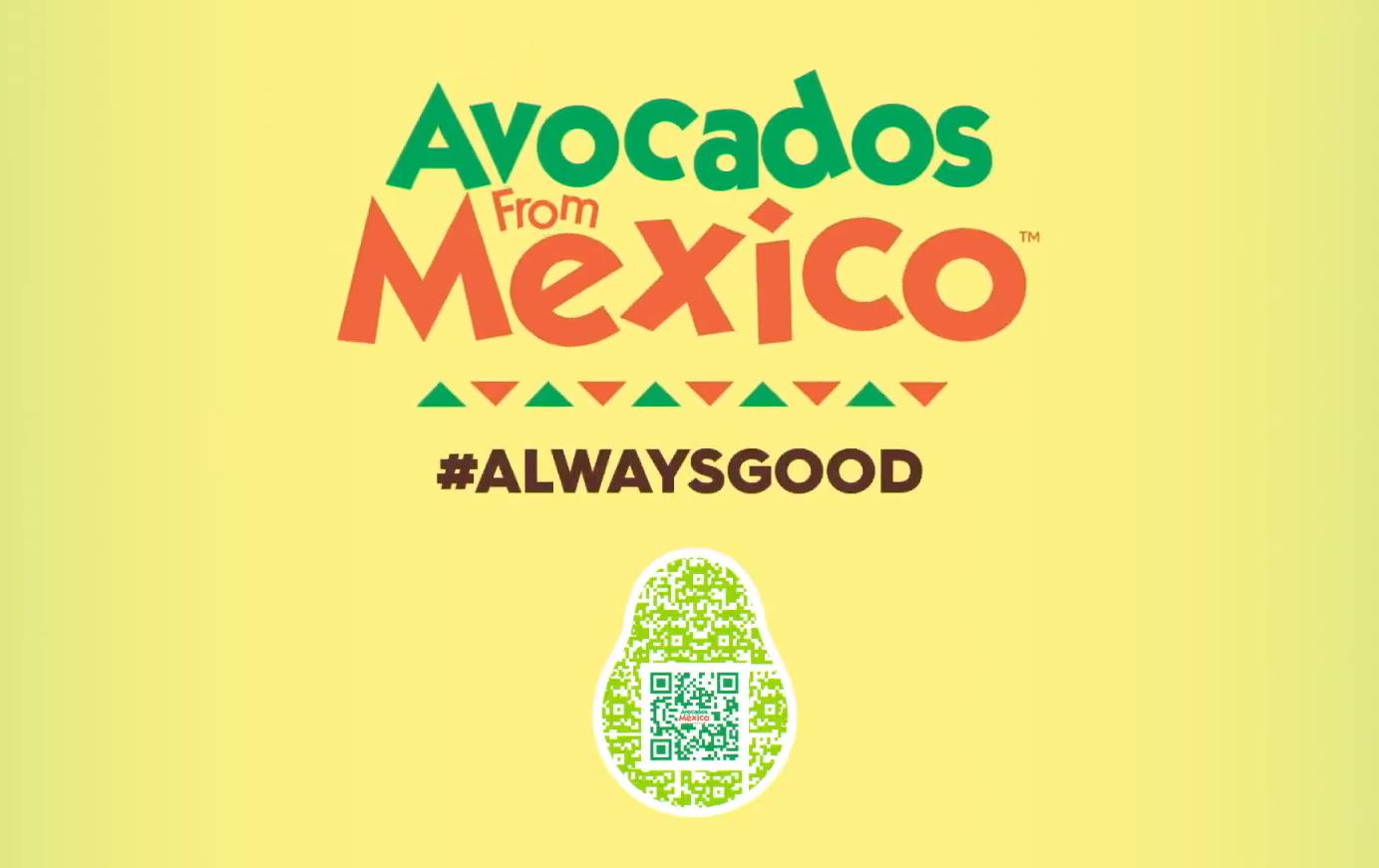
Link QR codes directly to e-commerce checkout pages for a “Scan to Buy” experience. This removes every barrier between seeing a product and owning it.
Avocados From Mexico nailed this during the 2022 Super Bowl. Viewers could order avocados directly from their couch. According to AdAge, this boosted CTV conversions and provided a wealth of first-party demographic data through a Walmart+ partnership.
The lesson? Make purchasing as easy as a single scan.
2. Gamify the Marketing Campaign with Rewards
Hide QR codes as “Easter Eggs” in video content. This transforms passive viewers into active participants hunting for hidden rewards.
Burger King featured a floating QR code on TV screens. Viewers who “caught” and scanned it received a free burger via the app. Budweiser launched a 100-day scavenger hunt for the FIFA World Cup 2022, offering signed memorabilia and tickets. Coca-Cola integrated AR games on cans to offer virtual challenges and prizes.
Gamification works because it creates interactive experiences that people actually remember.
3. Create a QR Code for Viral Statement Ads
Sometimes simplicity wins. Use a minimalist floating QR code to drive massive traffic to a single landing page.
Coinbase’s 2022 Super Bowl ad is legendary at this point. A color-shifting QR code bounced around the screen like a 2000s screensaver. Nothing else. The result? Twenty million landing page views in just six minutes. Their app store ranking jumped from #186 to #2. The traffic actually crashed their site temporarily.
That’s the power of curiosity combined with instant access.
4. Virtual Try-Ons and High-Impact AR Ads
Shorten the distance between awareness and action. Let users visualize products in their own space before buying.
IKEA used QR codes in their catalog to let users virtually place furniture in their homes through the IKEA Place App. LOVESAC ran a CTV ad where viewers designed custom sectional sofas, generating over 1,220 qr code scans and 2x benchmark engagement. L’Oreal integrated codes in magazines for virtual makeup try-ons.
AR isn’t just cool technology. It’s a conversion machine.
5. Frictionless App Downloads
Direct users straight to the iOS App Store or Google Play Store. This bypasses manual searches where competitors might bid on your brand terms.
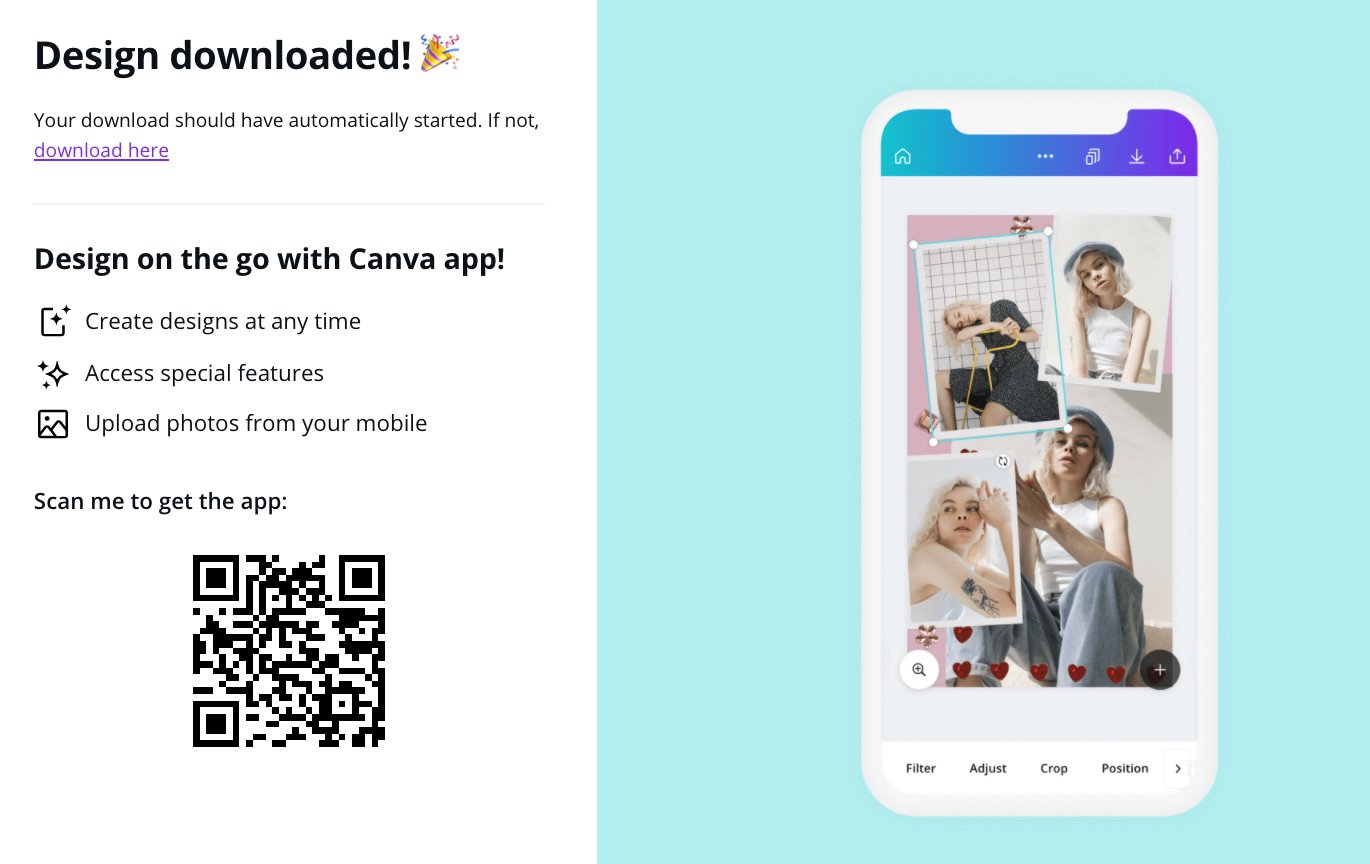
By linking directly to app downloads, you minimize the “leaky funnel” between seeing an ad and installing your software.
No searching. No competitors. Just your app, ready to download.
6. Driving Sign-Ups and First-Party Data Collection
Exchange a high-value resource for contact information. This could be a whitepaper, coupon, or calendar reminder.
Movie trailers can link to a “Remind Me” calendar event for the release date. Industrial equipment manufacturers use QR codes on machinery for info requests. CPG brands offer digital coupons in exchange for newsletter signups.
Every scan becomes an opportunity to build your customer profile database.
7. Using QR Codes in Advertising for Exclusive Deals
A dynamic QR code allows you to change the destination URL based on time of day or inventory levels. No reprinting required.
Macy’s utilized QR codes extensively during Black Friday to provide contactless deals and manage store density. You can learn more about how dynamic QR codes work to understand this approach better.
Use a central dashboard to manage the campaign parameters and track which exclusive promotion performed best.
8. Boost Store Visits with Location-Based QR Code Marketing
Program QR codes to auto-open Google Maps or Apple Maps with the destination already set to your storefront.
Real estate agents put them on “For Sale” signs linking to virtual tours and instant viewing bookings. Tourism boards place them at historical landmarks linking to audio guides. Retailers use outdoor signage to drive foot traffic to specific aisle promotions.
The code does the navigation work so customers don’t have to.
9. Use QR Codes for Quizzes and Brand Lifts
Link to interactive polls or personality quizzes. This increases “dwell time” with the brand significantly.
The Ad Council and American Lung Association ran an interactive video quiz via QR code that resulted in a 33.5% brand engagement lift. That’s substantial ROI from a relatively simple implementation.
The key? Ensure the quiz provides immediate value or personalized recommendations.
10. Social Media Integration and Community Growth
Use QR codes on physical packaging or receipts to drive followers to your social media profiles on Instagram, TikTok, or Facebook.
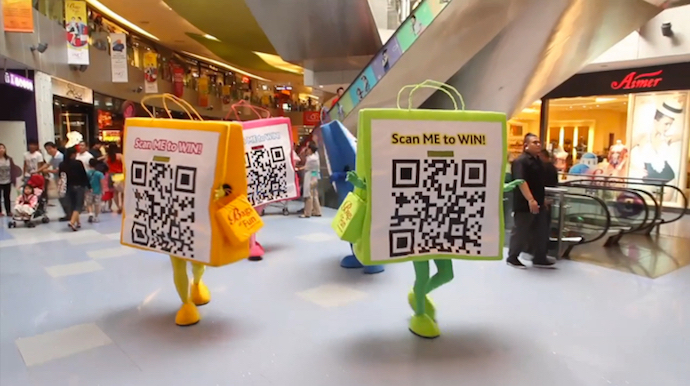
VivoCity used “Codeys” mascots with QR codes for a contest requiring a Facebook “Like.” The result? 8,600 scans and a 4,500-follower increase.
It’s a cost-effective way to convert one-time buyers into long-term community members.
11. Event Marketing and Live Engagement Tactics
Replace physical business cards and brochures with a single “lead capture” QR code.
At trade shows, attendees scan badges for instant contact swaps. Product launches feature scavenger hunts across different event booths. Conferences use real-time polling during keynote speeches.
One code replaces stacks of paper.
12. Contactless Hospitality and Menu Systems
Move the entire ordering and payment flow to the customer’s smartphone.
This reduces staffing overhead and allows for real-time menu updates like marking items as “sold out” instantly. Subway uses tray and poster QR codes to facilitate mobile ordering and payments.
The customer experience improves while operational costs decrease.
13. Loyalty Programs and Digital Reward Retention
Replace paper punch cards with digital stamps collected via QR scans at checkout.
Starbucks utilizes loyalty QR codes for both payment and reward redemption. This keeps users locked into their ecosystem. QR code users have a median engagement rate of 5.9%, proving they’re a high-retention audience.
Digital loyalty beats paper every time.
14. Informational Content and Educational Marketing
Position your brand as an expert by linking products to “How-To” videos or digital manuals.
Home improvement stores link tool displays to DIY tutorial videos. NIVEA Sun bottles link to real-time UV index data. Budweiser’s “Track Your Bud” campaign let users see the production journey of their specific product.
Education builds trust. Trust builds sales.
15. Contextual Campaigns and Hyper-Local Reach
Place QR codes in specific environments where the product is most relevant.
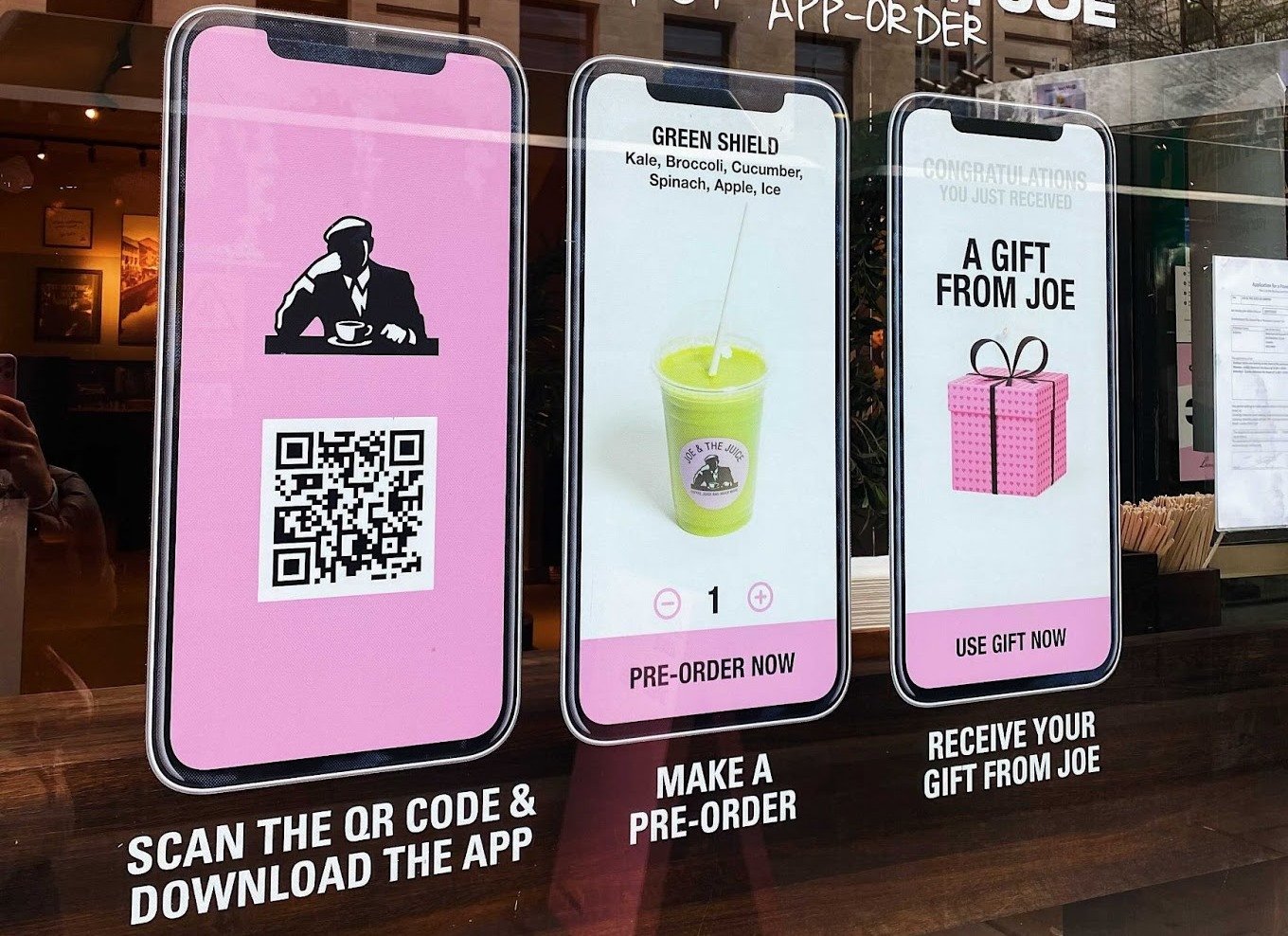
The “Captive Portal” method integrates QR codes into Wi-Fi onboarding pages at airports, malls, or hotels. Offer local discounts when people connect.
Use unique UTM parameters for different locations to see which neighborhood or venue drives the highest returns.
QR Strategy Impact: Key Metrics at a Glance
| Strategy Category | Key Example | Impact/Engagement |
|---|---|---|
| Viral/Statement | Coinbase Super Bowl | 20M views in 6 minutes |
| Interactive Quiz | Ad Council | 33.5% Brand Lift |
| AR/Try-On | LOVESAC | 2x Engagement Benchmark |
| Social Growth | VivoCity | 4,500 new followers |
| Direct Conversion | Avocados From Mexico | Significant 1st-party data gain |
Best Practices for a Successful QR Code Marketing Strategy
Technical Execution and Design
Size matters. Ensure the code is large enough to be scanned from the typical viewing distance. A code on a billboard needs to be much larger than one on a business card.
A call-to-action is critical. Never present a “naked” QR code. Use text like “Scan to get 20% off” or “Scan to win.” Tell people what they’ll unlock.
Your landing page must be 100% mobile-responsive. If someone scans and lands on a desktop-formatted page, you’ve wasted the opportunity. Test everything on mobile apps and browsers before launch.
Tracking and Data Governance
A QR code without a UTM is a “black hole” in your analytics. Understanding why your QR codes might be failing for attribution often comes down to missing tracking parameters.
Don’t let different teams create QR codes without oversight. Use a platform to keep your naming conventions consistent across departments.
Always perform a “field test” with different phone models and lighting conditions before your QR code campaign goes live.
Measuring Success: How QR Codes Work with UTM Tracking
Attribution is everything in digital marketing. By using unique campaign tags, you can tell if a customer converted from a QR code on a pizza box or a QR code on a TV ad. Understanding UTMs for marketing attribution helps you connect the dots.
For ROI calculation, compare the cost of the ad placement against the scan-to-conversion rate provided by your UTM data. If one QR placement has a 10% scan rate and another has 1%, you can reallocate your budget in real-time.
Learning how to track paid campaigns properly transforms QR codes from novelty items into measurable marketing instruments.
Final Thoughts on QR Code Advertising
The most successful QR code marketing doesn’t just show a link. It provides an experience. Whether it’s a gamified scavenger hunt or frictionless checkout, the goal is making the transition from physical to digital seamless.
When you create custom QR codes with proper tracking, you unlock insights that transform your entire ad campaign strategy.
Ready to launch? Build your first link with a free UTM builder to ensure your QR codes are fully trackable. Start a free trial to standardize your approach and boost brand awareness across your organization.
Better tracking starts with better links.
Frequently Asked Questions
How to advertise with QR code?
Create a QR code using a QR code generator, link it to a mobile-optimized landing page, add a clear call-to-action, place it where your target audience will see it, and track performance with UTM parameters.
Are QR codes good for advertising?
Yes. QR codes offer 37% CTR and provide measurable data on customer engagement. They’re ideal for incorporating QR codes into campaigns where you want to use dynamic QR codes for flexible destinations.
Can you legally put a QR code on a billboard?
Yes, QR codes on billboards are legal. Ensure the code is large enough to scan from a distance and that your landing page complies with advertising regulations in your jurisdiction.
Why is QR unsuccessful?
QR campaigns fail when codes are too small, lack a call-to-action, link to non-mobile pages, or have no tracking. Following best practices prevents these common mistakes.
What is the downside of QR codes?
Downsides include requiring smartphone access, potential security concerns with malicious codes, and the need for proper sizing. Some older demographics may be unfamiliar with how to scan the code.
How much does it cost to run a QR code?
Basic static QR codes are free to create. Use dynamic QR codes for advanced features, which typically cost $5-50 monthly depending on scan volume and features needed.
